
BIBLICAL TEACHING · PRACTICAL CHRISTIAN LIVING
Teaching the Word. Strengthening the Church.
Our teaching focus is biblical understanding, spiritual growth, and faithful Christian living through sermons, studies, and leadership instruction.
START HERE · APOSTOLIC FOUNDATIONS
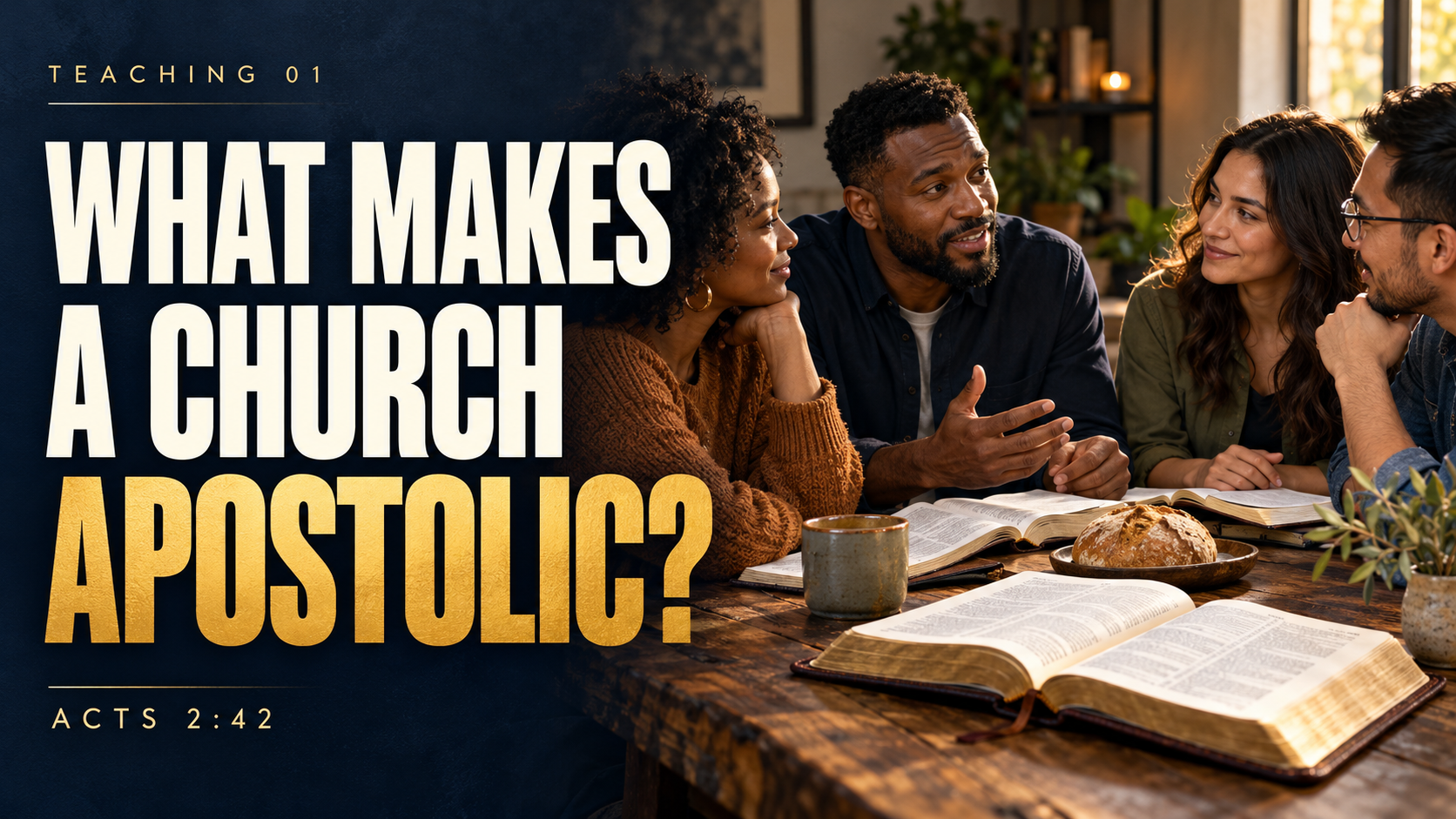
What Makes a Church Apostolic?
What does apostolic life look like beyond a name? Explore the teaching, fellowship, shared responsibility, and prayer that shaped the church in Acts 2. Select the image to read Teaching 1.
LEARNING PATH 01
Apostolic Foundations
Christ, Scripture, and the shared life of the church.

Christ the Cornerstone
What holds a church together when personalities, traditions, and expectations pull in different directions? Ephesians describes believers being built together in Christ. This teaching explores the church’s foundation, the welcome of God’s household, and the practical meaning of allowing Jesus to set the direction of our shared life.
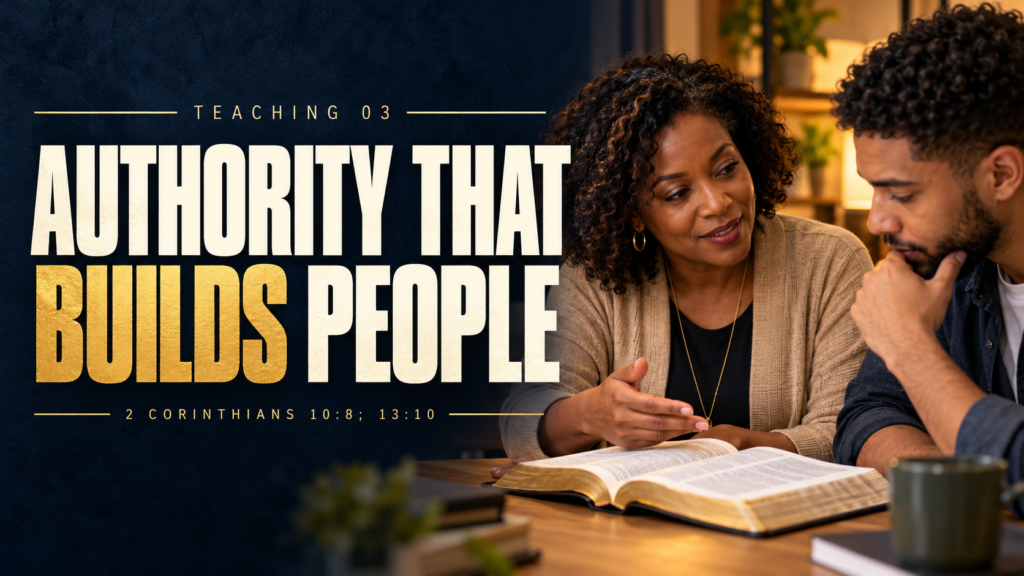
Authority That Builds People
Spiritual authority carries a purpose and a limit: it must serve the good of those entrusted to its care. Paul’s words to Corinth show why faithful leadership can confront wrongdoing while refusing intimidation, personal domination, or the destruction of people. Learn to recognize correction that genuinely builds maturity.

Sent to Serve
Jesus sends His disciples with a mission shaped by His own life. His words challenge the desire for rank and invite us into concrete service. Explore how the risen Lord’s commission and His teaching about greatness belong together, and identify a faithful place to serve without making yourself the center.

Discernment Without Disorder
How can a congregation welcome spiritual gifts while exercising careful judgment? Paul places openness, testing, and order within the same life of worship. This teaching offers a biblical approach to weighing spiritual claims, protecting space for others, and keeping the strengthening of the whole church at the center.
LEARNING PATH 02
Calling and Sacred Service
Discern calling and serve with character, humility, and care.

Recognizing and Responding to Your Call
Discerning a call to serve requires more than a strong feeling or an impressive title. Samuel’s response and Paul’s teaching about gifts encourage listening, humility, and faithful participation. Learn how Scripture, mature counsel, tested ability, and present opportunities can help you respond thoughtfully to a growing sense of responsibility.

Character Before Position
A desire to lead can be good, but desire alone does not establish readiness. First Timothy directs attention to the ordinary life behind public ministry. This teaching examines tested character, trustworthy relationships, and the patience required to develop responsibilities that are supported by the way a person actually lives.

Faithful with What Is in Your Hands
Jesus connects faithfulness in ordinary resources with the trustworthiness of the person handling them. Luke 16 invites us to examine money, borrowed property, and present responsibility without turning stewardship into a formula for promotion. Discover how small choices reveal allegiance and how to care well for what has been entrusted to you.

Serving Without Needing the Spotlight
Good work can quietly become a search for admiration. Jesus’ teaching about giving and Paul’s account of Christ’s humility invite a different motive. Explore how to serve with genuine concern for others, receive appreciation freely, and protect the dignity of the people helped without making invisibility a performance of its own.

Carrying Responsibility Without Carrying It Alone
Responsibility becomes difficult to sustain when every need must pass through one person. Jethro’s counsel to Moses and Jesus’ care for the returning apostles show the importance of shared work and real rest. Learn to distinguish faithful ownership from overextension and to create a practical, supported handover.
LEARNING PATH 03
Kingdom Life and Spiritual Formation
Grow in prayer, discipleship, and everyday faithfulness.

Seek First the Kingdom
Jesus brings the concerns of food, clothing, and tomorrow into a larger question: whose rule directs our lives? This teaching explores the Father's care, the meaning of seeking His Kingdom first, and the daily choices through which trust becomes visible when needs and responsibilities remain real.

Renewing the Mind
Paul connects transformed thinking with the mercy of God and the offering of our whole lives. Explore how a renewed mind learns to discern what pleases God, challenges familiar assumptions, and takes practical form in humility, service, and the way we respond to other people each day.

Abiding Before Doing
Jesus describes Himself as the true vine and His disciples as branches. This teaching considers the dependence that makes faithful service fruitful, the place of His words in our prayer, and the Father's care. It invites ministry workers to receive life from Christ throughout the work entrusted to them.
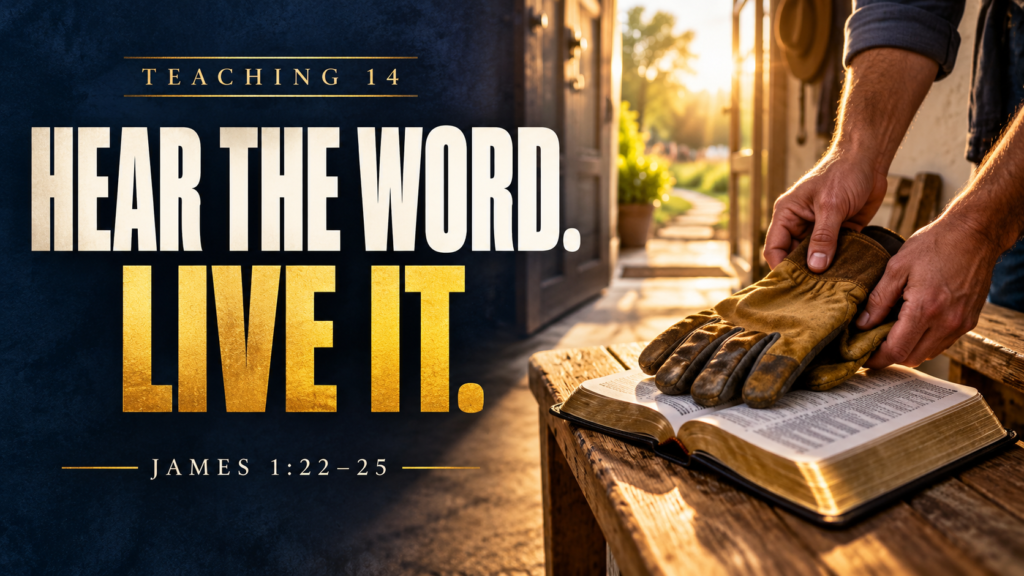
Hearing the Word and Living It
James warns that hearing God's Word can become self-deception when our lives remain untouched. Follow the passage from receiving the Word to continuing in its liberating instruction, and consider how a congregation can respond together. Genuine learning gives biblical truth a lasting place in decisions, habits, and shared responsibilities.

Faithfulness in Difficult Seasons
Difficulty can unsettle both our expectations and our judgment. James directs believers toward endurance and a generous God who gives wisdom; Paul calls them to continue doing good. This teaching explores hopeful perseverance without denying pain, promising quick results, or confusing faithfulness with remaining in a harmful situation.
LEARNING PATH 04
Leadership, Accountability, and Equipping
Strengthen the people and practices that support responsible ministry.

Leadership That Equips
Christ gives ministry gifts so His people can mature and His whole body can be built up. This teaching follows Paul's movement from gifted leadership to shared service, sound doctrine, and truth spoken in love. It offers a practical way to examine whether ministry activity is actually equipping people.
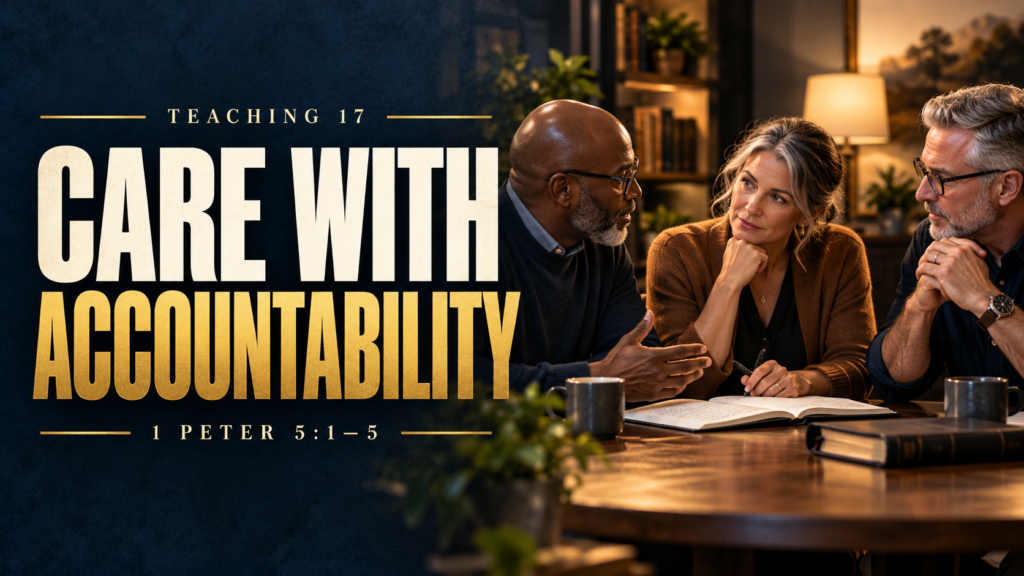
Spiritual Covering and Responsible Accountability
Healthy spiritual care includes faithful teaching, watchful leadership, humble cooperation, and responsibility before Christ. By reading Hebrews alongside Peter's instructions to elders, this teaching examines what responsible accountability requires from leaders and congregations, including honest questions, appropriate boundaries, and clear protection against the misuse of spiritual authority in church life.

Correction That Restores
Biblical correction takes wrongdoing seriously while seeking a person's restoration. Galatians calls for meekness and shared burdens; Matthew describes a responsible response when a brother refuses to hear. Explore how truth, care, proportionate accountability, and protection for those harmed can guide a church through the difficult work of correction.

Integrity with Resources and Trust
The way a ministry handles gifts, money, and responsibility teaches people what its words mean. Paul’s careful administration and Peter’s picture of stewardship help us connect spiritual sincerity with visible accountability. This teaching explores how clear records, shared oversight, and honest answers protect people and honor the Lord.

Preparing Others to Carry the Work
Faithful ministry looks beyond the person carrying the responsibility today. Paul directs Timothy toward Christ’s grace and toward people who can carry sound teaching to others. Explore how mentoring preserves the apostolic message, develops dependable servants, and makes room for the work to continue beyond one leader’s reach.
LEARNING PATH 05
Healthy Relationships and Ministry in Everyday Life
Live out Christian love in relationships, work, and community.

Unity Without Uniformity
Paul’s picture of the body challenges both the fear of being unnecessary and the pride of needing nobody else. This teaching explores how a congregation can share life in Christ while honoring different contributions, caring for overlooked members, and learning to suffer and rejoice together in practical ways.

Covenant Faithfulness in Marriage
Ephesians places marriage within a life shaped by reverence for God and the self-giving love of Christ. This teaching considers covenant faithfulness through love, honor, and everyday responsibility, while making clear that Scripture must never be used to excuse coercion, conceal abuse, or demand unsafe submission from a spouse.

Words That Heal and Strengthen
Our speech belongs within the new life we receive in Christ. Ephesians connects truthful words, restrained anger, useful encouragement, and forgiveness with the health of the whole body. Learn to address real concerns clearly while choosing language that preserves dignity and helps people take a faithful next step.
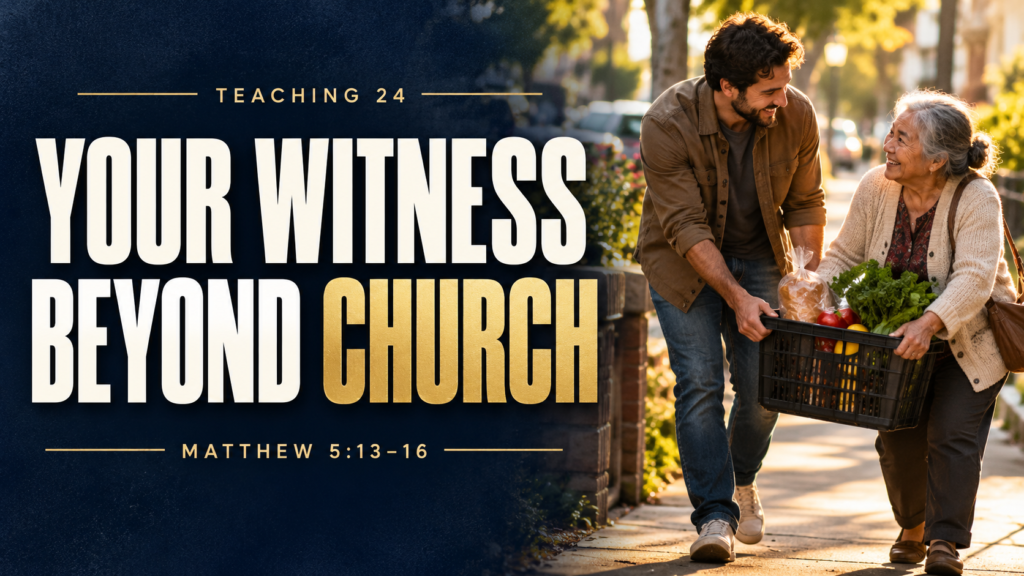
Your Witness Beyond the Church Building
Jesus calls his disciples salt and light, and Colossians places everyday words and deeds under the name of the Lord Jesus. This teaching connects public witness with ordinary conduct, honest work, and practical service, helping believers honor God in the places and responsibilities already part of their lives.

From Learning to Faithful Action
Biblical learning calls for a response that reaches another person’s life. James exposes a profession of faith that leaves practical need untouched, while Titus roots good works in God’s saving mercy. Bring the teaching into a clear, realistic commitment that expresses living faith through useful and sustained action.